
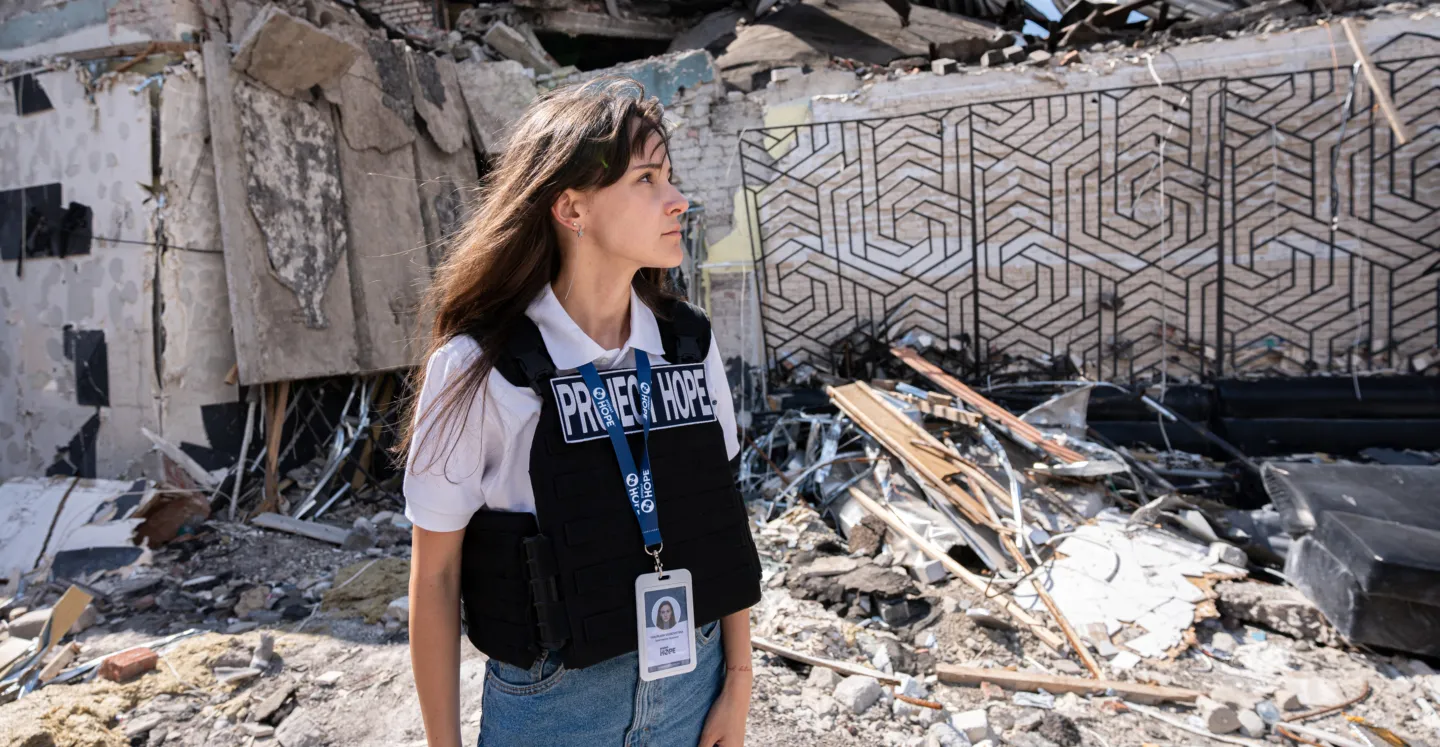
Ukraine
Implementing a comprehensive health and humanitarian response to Russia’s war in Ukraine
After nearly four years of constant war, Ukrainians are still facing near-daily attacks that kill and injure civilians and damage homes, hospitals, and schools.
Project HOPE is continuing to show up for communities across Ukraine — providing mental health support and hygiene supplies to people impacted by strikes, deploying mobile medical units to frontline communities, operating safe spaces for families and children to access mental health support, training and equipping health workers, and reconstructing damaged hospitals and health facilities.
Since the start of the full-scale war, Project HOPE has been executing a comprehensive and coordinated humanitarian intervention in Ukraine and neighboring countries that are hosting significant Ukrainian refugee populations — reaching over 2 million people since 2022.
The Context
In February 2022, Russia launched a full-scale invasion of Ukraine, launching deadly missile attacks and occupying parts of the country, resulting in a devastating war that continues today. This was a major escalation following the 2014 Russian annexation of Crimea and the Donbas War in eastern Ukraine, which caused extensive civilian casualties and displacement.
As of February 2026, there have been over 14,000 civilian deaths and nearly 40,000 civilian injuries, with the entire Ukrainian population — more than 36 million people — living through unimaginable atrocities and enduring multiple humanitarian crises. Over 5.9 million Ukrainians are living as refugees in other countries and 3.7 million more are internally displaced, with 10.8 million Ukrainians — roughly 30% of the population — in need of humanitarian assistance.
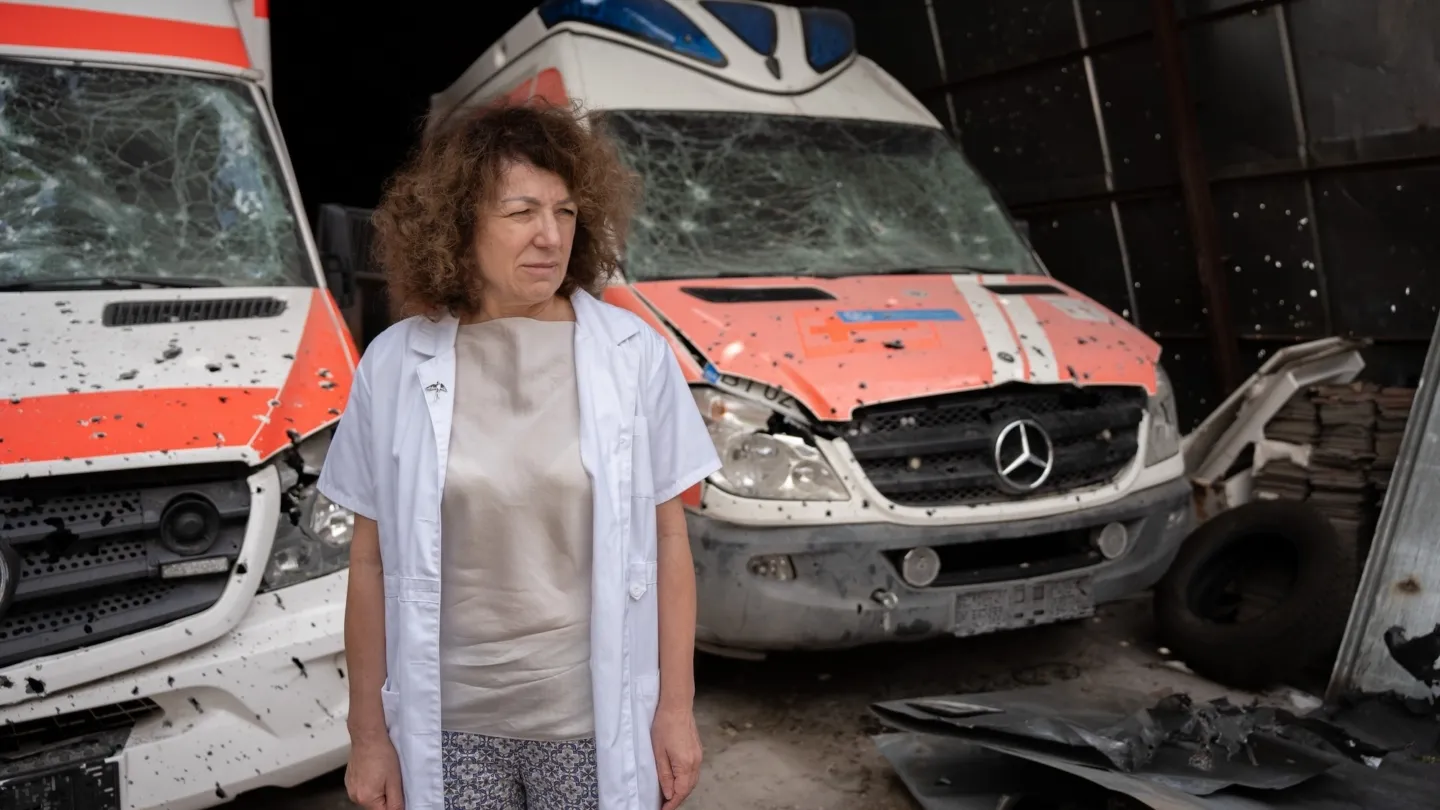
Russia’s invasion has devastated Ukraine’s health system, especially in communities that have experienced heavy fighting. More than 2,000 health facilities damaged or destroyed and over 300 health workers killed.
Since February of 2022, Project HOPE has been supporting the local health system by equipping health clinics with supplies and medicines, training health workers, and deploying mobile medical units to reach people in remote and frontline communities. We’ve reconstructed damaged health and community facilities and helped mitigate the impacts of severe weather, power outages, and mass displacement. In frontline communities, our team continues to operate mobile medical units, provide mental health and psychosocial support like counseling and art therapy, and distribute clean drinking water.

2,800+
attacks on health care have been recorded
Facilities, staff, patients receiving care, and transport vehicles have been attacked — and the invasion has devastated local health systems in communities near the front lines.

30%
of Ukrainians continue to need humanitarian aid
More than 10.8 million Ukrainians need humanitarian assistance due to the war, including nearly 2 million children.

5.7 million
women and girls need humanitarian assistance
Fifty-two percent of those who need humanitarian assistance are women or girls, who face increased challenges in accessing health services.
Our Impact
Health System Strengthening
Constant attacks have had a severe impact on Ukraine’s health system, causing medicine and staff shortages and the disruption of primary health care services. Project HOPE continues to operate 19 mobile medical units and has provided local health facilities with 13 ambulances to expand access to primary care access and specialized medical transportation for frontline and rural communities. Project HOPE has also supported health workers by incentivizing specialized health workers in 33 health facilities and providing a diverse series of high-quality trainings to anesthesiologists, trauma surgeons, pediatricians, and more, reaching over 13,000 health workers across Ukraine.
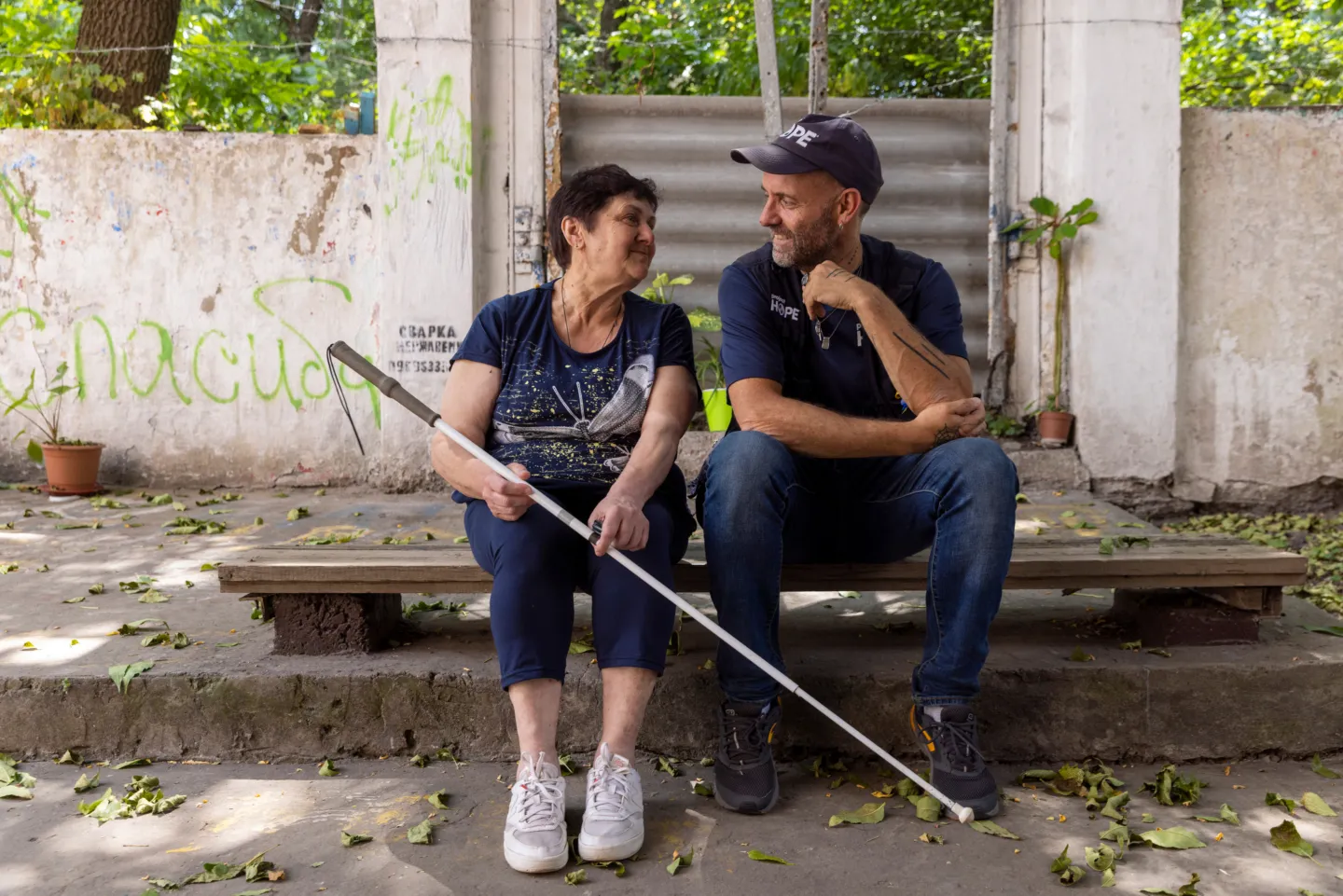
Mental Health and Psychosocial Support
Project HOPE continues to support the mental health and well-being of Ukrainians through mental health counseling, psychosocial support, and activities across 94 locations, reaching over 357,000 Ukrainians since 2022. Project HOPE’s 13 MHPSS centers have provided people with social and recreation activities, education, skills and language classes, individual and group counseling, psychoeducation, art therapy, yoga and fitness classes, and empowerment workshops. Project HOPE has also provided surge staffing for psychologists and established telehealth counseling for staff and patients at 46 hospitals, including health facilities in active conflict zones.
Water, Sanitation, and Hygiene (WASH)
To date, Project HOPE has distributed hygiene kits and non-food items to 362,000+ people, as well as 9.5 million liters of drinking water to communities with disrupted water infrastructure, including those affected by the destruction of the Kakhovka Dam. Project HOPE has also renovated 167 sanitation stations at 24 health facilities, improving infection prevention for facilities that serve over 792,000 people.
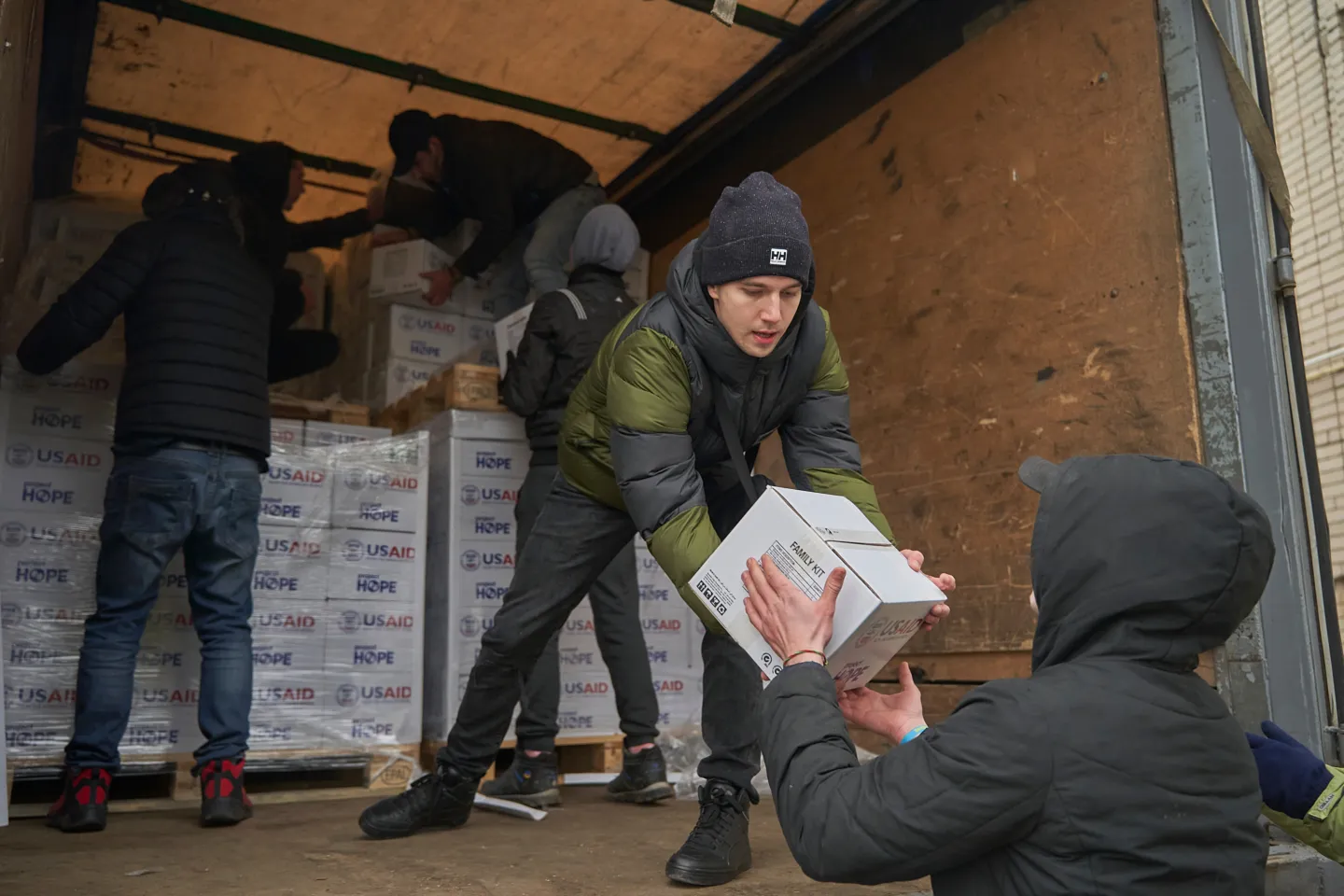
Winterization and Non-Food Items (NFIs)
As attacks on Ukraine’s energy infrastructure persist, our team is distributing fuel vouchers kettles, and mobile room heaters to support health workers so they can provide the best care possible to patients.
Previously, Project HOPE has delivered 234 generators to 128 facilities — including hospitals and shelters for internally-displaced people — to restore essential services for Ukrainians across the country. And to mitigate the impact of harsh winter conditions, Project HOPE has distributed over 88,000 winterization NFIs, including electrical heaters, bedding, thermal clothing, and solid fuel.
Reconstruction and Rehabilitation of Health Facilities
Since 2022, thousands of Ukrainian health facilities have been damaged or destroyed. In collaboration with the Ministry of Health and local health authorities, Project HOPE has rehabilitated 20 health and social facilities in Kyiv, Chernihiv, Kharkiv, Kherson, Dnipro, Mykolaiv, and Sumy oblasts, which will continue to support hundreds of thousands of people for years to come.
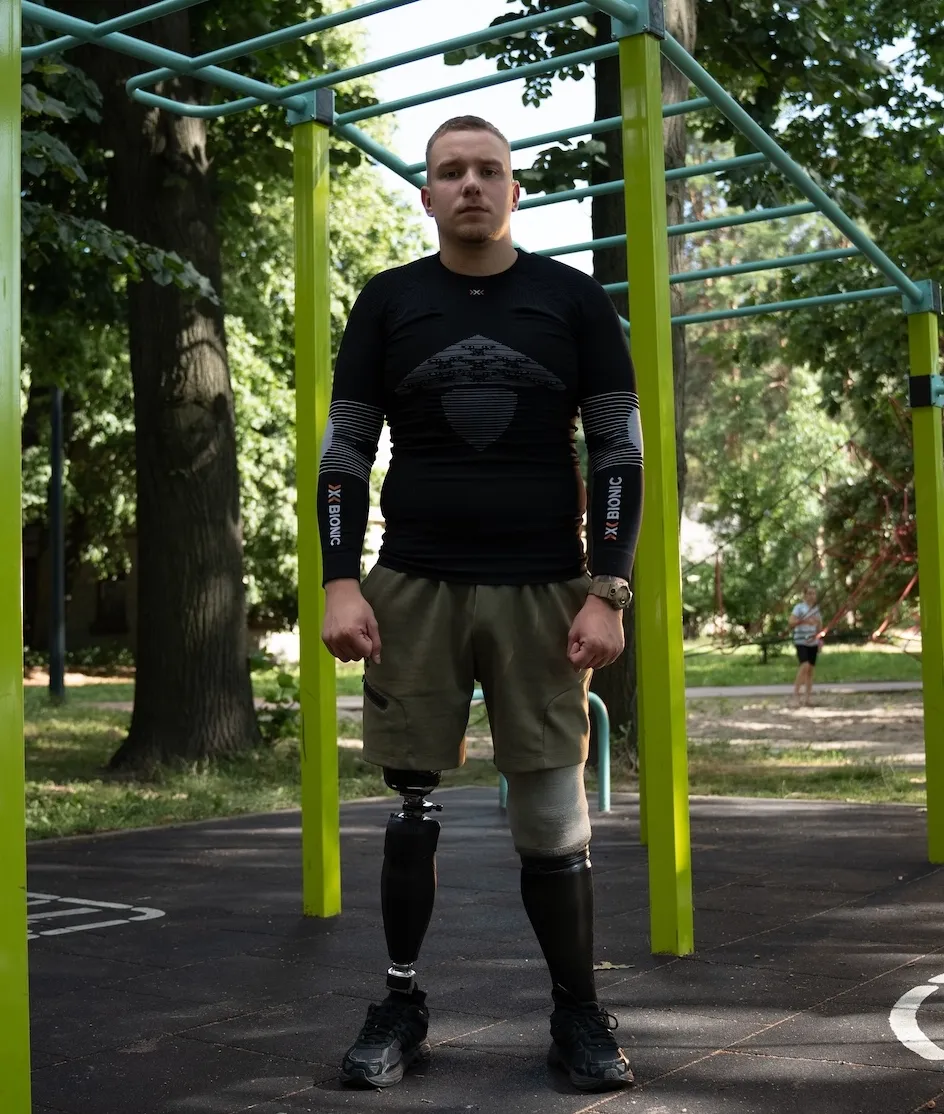
The Rehab4U Project
In Ukraine, the Rehab4U project is challenging stereotypes and promoting inclusivity for people living with disabilities.
Our History in Ukraine
Project HOPE began working in Ukraine in 2002 with a life-skills program focused on drug use prevention, HIV prevention, and education for children in primary schools. Then, in 2007, Project HOPE began a five-year, USAID-funded HIV/AIDS Service Capacity project in Ukraine, which focused on the mobilization of communities most at risk of contracting and transmitting the disease. From 2012-2017, Project HOPE helped improve the health of Ukrainians by partnering with the Government of Ukraine to decrease the incidence and strain of tuberculosis (TB) on Ukraine’s health system and improve outcomes for people living with TB.

Donate
Please give now to deliver urgent relief to people facing disasters and health crises — and make a lasting impact by rebuilding clinics, supporting health workers, providing mental health care, and more.

Join
Follow us on social media, share photos and videos of our work with your family and friends, and join our community of global health champions.

Fundraise
Whether you’re looking to host an in-person event, create your own fundraiser for your birthday, do a charity stream, or run a race, join our community of fundraisers!